
The Japanese ironing board aesthetic transcends mere practicality, offering a glimpse into a world of meticulous design and cultural significance. More than just a functional household item, the aesthetic embodies a profound appreciation for minimalism, natural materials, and a harmonious blend of form and function. Its influence extends far beyond the ironing board itself, permeating homeware design and visual representation.
This exploration delves into the core elements of this aesthetic, examining its visual language, cultural roots, and modern interpretations. From the meticulous selection of materials to the symbolic meanings embedded within the design, we uncover the intricate layers of this captivating style.
Defining the Aesthetic
The “Japanese ironing board aesthetic” is a subtle yet powerful style emerging in design, particularly in home goods and fashion accessories. It’s characterized by a minimalist approach, emphasizing functionality and a harmonious blend of natural materials and understated elegance. This aesthetic transcends mere visual appeal, reflecting a deep-seated appreciation for craftsmanship and the inherent beauty found in simplicity.This aesthetic often contrasts with bolder, more ostentatious styles.
Its appeal lies in its ability to create a serene and calming atmosphere, a departure from the busy, often chaotic nature of modern life. The key is in its quiet sophistication, showcasing quality through thoughtful design and materials.
Visual Elements
The visual elements of this aesthetic are primarily focused on creating a sense of calm and understated elegance. Clean lines, smooth surfaces, and muted color palettes are central to this style. Geometric shapes are often integrated into the design, further contributing to the minimalist appeal. The overall impression is one of quiet sophistication, reflecting a commitment to both form and function.
Color Palettes
Common color palettes in this aesthetic frequently incorporate muted tones, often drawing inspiration from nature. Earthy tones such as beige, light gray, and muted greens are frequently used, evoking a sense of tranquility and connection to the natural world. Occasionally, subtle pops of color, like a soft blue or a warm terracotta, are incorporated to add a touch of visual interest without detracting from the overall minimalist feel.
The palette choices aim to create a serene and inviting environment.
Cultural and Design Influences
The aesthetic draws inspiration from Japanese design principles, particularly the concept of “侘び寂び” (wabi-sabi), which emphasizes the beauty of imperfection, impermanence, and the natural world. This philosophy finds expression in the muted color palettes and the use of natural materials, as well as in the appreciation for asymmetry and natural textures. Furthermore, Japanese aesthetics often emphasize functionality and practicality, which is reflected in the streamlined forms and attention to detail in products showcasing this aesthetic.
The emphasis on quality and durability is another key aspect that links this aesthetic to Japanese design traditions.
Materials
Products showcasing this aesthetic frequently use natural materials such as bamboo, wood, and linen. The warmth and texture of these materials contribute to the overall sense of serenity and connection to nature. These materials often complement the muted color palettes and promote a sense of sustainability, which is an increasingly important factor in design choices. Metal accents, often in a brushed or matte finish, are also frequently incorporated to add a touch of contemporary sophistication.
The use of high-quality, natural materials is integral to this aesthetic.
Product Design Inspiration
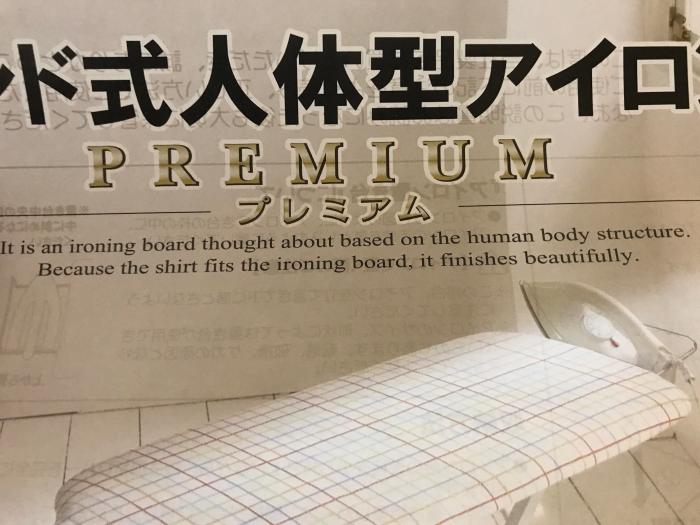
Japanese homeware often reflects a minimalist aesthetic, prioritizing functionality and understated elegance. This extends beyond simple aesthetics to encompass meticulous craftsmanship and a deep respect for materials. The influence of this philosophy on ironing boards, as with other household items, reveals a unique approach to design. This approach is not simply about appearance but about creating tools that seamlessly integrate into daily life.The design elements found in Japanese homeware translate into ironing boards by emphasizing clean lines, natural materials, and a focus on functionality.
This aesthetic often eschews overt ornamentation, preferring instead to highlight the inherent beauty of the material and form. This understated approach is not a lack of sophistication, but rather a considered choice to create objects that are both beautiful and practical.
Design Elements in Japanese Homeware
Japanese homeware frequently incorporates natural materials like bamboo, wood, and linen, often showcasing their natural textures and patterns. This focus on natural materials is a key element of the aesthetic, reflecting a connection to the environment and a preference for sustainable practices. Furthermore, the meticulous craftsmanship often evident in Japanese design principles is crucial. The emphasis is on precise cuts, seamless joints, and well-considered details, all of which contribute to the lasting quality and aesthetic appeal of the products.
Comparison with Other Ironing Board Designs
Western ironing board designs often prioritize durability and large ironing surfaces. In contrast, Japanese designs may prioritize compactness, ease of storage, and a refined aesthetic. While Western designs might emphasize a more robust and heavy-duty construction, Japanese designs often focus on the lightweight yet robust nature of their chosen materials, making them easy to handle and store.
Examples of Successful Embodiments
Several products successfully embody this aesthetic, showcasing a delicate balance between form and function. For example, a line of bamboo ironing boards, with their natural grain and smooth surfaces, exemplifies this aesthetic perfectly. The use of natural materials like bamboo or linen contributes significantly to the design’s overall appeal, enhancing both the functional and visual aspects of the product.
Product Characteristics Table
| Product | Material | Color Palette | Design Features |
|---|---|---|---|
| Bamboo Ironing Board | Bamboo | Natural, muted tones (light browns, beige) | Clean lines, simple construction, foldable design, lightweight |
| Wooden Ironing Board | Cherry or Maple wood | Warm wood tones (light brown, reddish brown) | Simple, elegant design, potentially featuring a built-in ironing board cover, storage solutions |
| Foldable Ironing Board | Lightweight metal frame, linen cover | Muted gray, natural beige, black | Compact design, easy storage, emphasis on folding mechanisms and compact storage solutions |
| Ironing Board with Storage | Natural linen, wood or metal | Muted, earthy colors, natural wood tones | Integrated storage solutions, for ironing tools and accessories. Built-in compartment for accessories |
Visual Representation
The Japanese ironing board aesthetic, with its emphasis on meticulous craftsmanship and understated elegance, relies heavily on visual cues to evoke a sense of calm and refined beauty. This aesthetic, often seen in design and product contexts, transcends the physical ironing board to represent a broader philosophy of precision and understated sophistication. Key visual elements help to convey the intended mood and feeling.The visual language of this aesthetic often draws from traditional Japanese design principles, such as asymmetry, natural elements, and a focus on texture and detail.
This meticulous approach is reflected in the imagery used to represent the aesthetic. It seeks to evoke a sense of calm and refinement, showcasing the inherent beauty of simple, well-crafted objects.
Common Imagery
This aesthetic typically features imagery that emphasizes clean lines, subtle color palettes, and a focus on textures. The use of natural light and muted colors is prevalent, creating a serene and calming atmosphere. Imagery frequently showcases objects with a focus on meticulous craftsmanship, highlighting the beauty of detail and precision.
Photography and Illustrations
Photography and illustrations often capture the essence of the aesthetic by focusing on the subtle details of the objects. The use of soft lighting and a muted color palette is essential. High-resolution imagery that highlights the intricate textures and subtle variations in surfaces is favored. For example, photographs of meticulously arranged objects, such as a set of polished tools, a well-maintained wooden box, or a carefully ironed piece of clothing, would exemplify the aesthetic.
Illustrations often employ a similar color palette and style, emphasizing the textures and details of the depicted items. A carefully drawn illustration of a Japanese-style home, with its subtle color palettes and well-defined lines, would be a fitting example.
Visual Representation Table
| Images | Descriptions | Color Palettes | Mood |
|---|---|---|---|
| A photograph of a meticulously folded kimono, resting on a wooden surface bathed in soft natural light. | The image showcases the smooth, flowing lines of the fabric and the precise folds. The wood grain is clearly visible, adding depth and texture. | Muted tones of beige, cream, and light gray, accented with subtle hints of brown. | Calm, serene, and refined. A feeling of quiet elegance and meticulous craftsmanship is evoked. |
| An illustration of a traditional Japanese tea ceremony, with a focus on the arrangement of objects on a low table. | The illustration highlights the meticulous attention to detail in the arrangement of teacups, bowls, and other utensils. The use of negative space is evident. | Earthy tones of brown, green, and muted gray. | Peaceful, tranquil, and focused. The image evokes a sense of meditative serenity and mindful attention to detail. |
| A photograph of a beautifully crafted Japanese-style ironing board, with its smooth, natural wood grain and clean lines. | The image captures the meticulous attention to detail in the board’s construction. The focus is on the inherent beauty of the wood. | Warm tones of light brown, accented with subtle highlights. | Subtle, elegant, and functional. The image evokes a sense of refined simplicity and high-quality craftsmanship. |
| An illustration of a Japanese garden with meticulously placed stones and plants. | The illustration emphasizes the harmonious balance and asymmetry in the arrangement of the elements. The textures of the stones and plants are distinct. | Muted greens, browns, and grays, with accents of white and black. | Serene, tranquil, and balanced. The image evokes a sense of harmony and appreciation for nature’s beauty. |
Visual Communication
The Japanese ironing board aesthetic is visually communicated through a combination of imagery and design principles. Emphasis on natural light, muted color palettes, and meticulous detail create a serene and refined atmosphere. The aesthetic draws heavily on traditional Japanese design principles, emphasizing simplicity, balance, and harmony. The visual elements are carefully chosen to evoke a sense of quiet elegance and meticulous craftsmanship, appealing to a discerning audience seeking a refined and thoughtful design.
Practical Applications
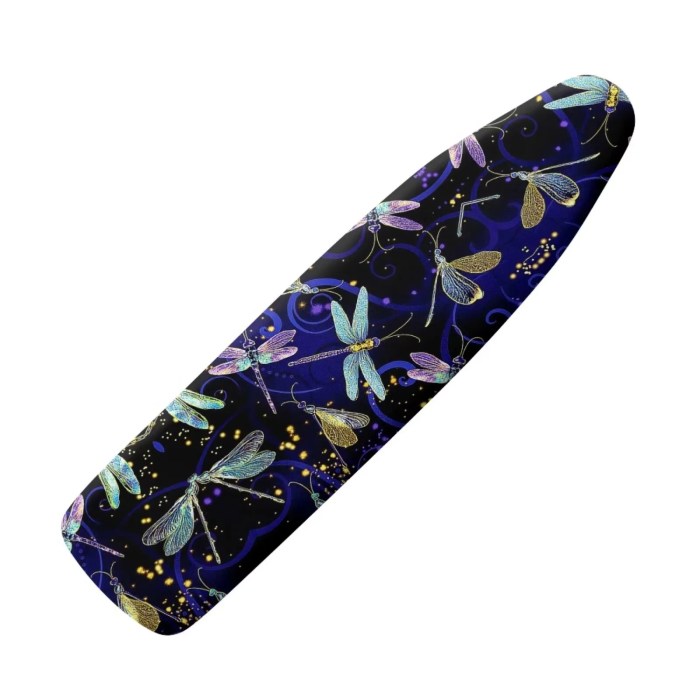
The Japanese ironing board aesthetic, characterized by its minimalist design, meticulous craftsmanship, and focus on functionality, offers a unique approach to everyday objects. This aesthetic can transcend the realm of ironing boards, inspiring design choices that enrich and streamline everyday life. Beyond its visual appeal, this aesthetic fosters a sense of calm and order in the home.This aesthetic, when applied practically, can promote a sense of tranquility and efficiency in various aspects of daily life.
The principles of this aesthetic, like clean lines, natural materials, and thoughtful functionality, can be integrated into a wide array of objects and spaces, transforming them into expressions of mindful living. By extending this aesthetic into everyday objects, the aesthetic elevates practicality to an art form.
Everyday Objects
This aesthetic’s core principles of simplicity and functionality can be integrated into a variety of everyday items. Imagine a simple, yet elegant, ceramic mug designed with clean lines and a subtly textured surface. The practical implications of this design are multifaceted: the mug is both aesthetically pleasing and durable, encouraging mindful consumption and appreciation for craftsmanship. Similarly, consider a cutting board crafted from sustainably sourced bamboo, featuring a minimalist design.
Its practicality extends beyond its aesthetic appeal as the material is both durable and environmentally conscious. These examples highlight how this aesthetic can imbue even mundane objects with a sense of purpose and quality.
Everyday Spaces
This aesthetic can transform various spaces within a home, imbuing them with a sense of calm and order. In a kitchen, consider incorporating minimalist cabinetry, sleek countertops, and strategically placed storage solutions. This approach not only improves the functionality of the kitchen but also enhances its visual appeal, creating a serene space for meal preparation. Similarly, in a bedroom, minimalist furniture, natural textiles, and natural light can foster a sense of calm and relaxation.
This combination creates a harmonious environment conducive to restful sleep.
Home Room Integration
The principles of the Japanese ironing board aesthetic can be seamlessly integrated into various rooms. A living room, for example, could benefit from low-profile, multi-functional furniture, such as a coffee table with built-in storage or a modular sofa system. Natural materials, like wood and bamboo, can be used for flooring and furniture, further enhancing the aesthetic’s sense of serenity.
In the bathroom, consider incorporating minimalist fixtures, natural stone surfaces, and integrated storage solutions for a spa-like experience. This combination fosters a sense of calm and order, enhancing the overall aesthetic of the home.
Space Design Examples
To fully realize the practical implications of this aesthetic, consider the following examples: A home office, designed with clean lines and functional furniture, could provide a conducive space for focused work. Using natural light and incorporating plants can create a calming and productive environment. Similarly, a minimalist dining area with a simple, natural-wood table and chairs can create a tranquil atmosphere for family meals.
A bedroom, with its calming and relaxing aura, could use this aesthetic to foster relaxation and rest. These examples demonstrate how the Japanese ironing board aesthetic can enhance various aspects of daily life, from work to leisure, and create a home that embodies both beauty and functionality.
Materials and Craftsmanship
The Japanese ironing board aesthetic, rooted in centuries of tradition, prioritizes the exquisite interplay of materials and craftsmanship. This approach transcends mere functionality, imbuing everyday objects with a sense of beauty and enduring quality. The selection of materials is not arbitrary but deeply connected to the cultural values of Japan, emphasizing natural textures and sustainable practices.The meticulous craftsmanship employed in these items reflects a deep respect for the material and a commitment to precision.
This attention to detail creates objects that are both aesthetically pleasing and exceptionally durable, reflecting a legacy of quality.
Specific Materials
The selection of materials used in Japanese design often prioritizes natural, sustainable sources. Wood, bamboo, and various types of paper are frequently employed, each offering unique characteristics that contribute to the overall aesthetic. The natural variations in the grain of wood, the subtle striations of bamboo, and the delicate texture of paper are often celebrated rather than concealed.
These materials, often left in their raw state or subtly treated, highlight the beauty inherent in their natural form.
Craftsmanship Techniques
Traditional Japanese craftsmanship techniques, like joinery, lacquer work, and metalworking, play a significant role in creating the aesthetic. These techniques, honed over generations, produce objects of remarkable precision and longevity. The delicate balance of form and function is a hallmark of these techniques, showcasing the artisans’ profound understanding of materials and their properties.
- Joinery: This intricate method of assembling wooden components without the use of nails or screws emphasizes the strength and beauty of the wood itself. Tight, precise joints, often reinforced with subtle shaping, ensure the longevity of the piece while highlighting the skilled craftsmanship. Examples include traditional Japanese furniture and architectural structures.
- Lacquer Work: This technique involves applying multiple layers of lacquer, a resinous substance derived from trees. Each layer is painstakingly applied and polished, creating a smooth, lustrous finish. This method is not just about aesthetics; it also enhances the durability of the object, providing a protective barrier against damage and moisture.
- Metalworking: The meticulous techniques employed in Japanese metalworking, such as forging, hammering, and inlay, are frequently used to create functional objects with a distinct visual appeal. The metal’s inherent strength and the artisan’s control over its form are beautifully showcased in these pieces, exemplified by traditional Japanese tools and decorative items.
Textures and Finishes
The textures and finishes employed in Japanese design often reflect the natural state of the materials. Smooth, polished surfaces are juxtaposed with the subtle variations in the grain of wood, creating a dynamic interplay of textures. The natural color palette, often featuring warm tones and muted hues, further enhances the aesthetic, evoking a sense of serenity and harmony.
The use of natural finishes, like beeswax or oils, enhances the beauty and durability of the items.
Traditional Japanese Materials
- Wood: Various types of wood, including cedar, cherry, and maple, are prized for their unique grain patterns and color variations. The natural beauty of the wood is often preserved through simple finishing techniques, highlighting the wood’s natural qualities.
- Bamboo: Bamboo’s strength and flexibility are often celebrated in Japanese design, making it suitable for both structural and decorative purposes. Its natural green hues and distinctive striations are aesthetically appealing. The material’s strength and adaptability contribute to the aesthetic’s overall versatility.
- Paper: Traditional Japanese paper, like washi, is made from natural fibers, often infused with subtle colors or patterns. Its delicate texture and unique qualities make it an excellent material for creating delicate objects. The paper’s inherent characteristics, including its strength and flexibility, are utilized in a wide array of applications.
Symbolism and Meaning
The Japanese ironing board aesthetic, rooted in centuries of design principles and cultural values, carries profound symbolism. Beyond its practical function, the aesthetic embodies a deep connection to tradition, craftsmanship, and a philosophy of understated elegance. This symbolism is interwoven into the very essence of the design, reflecting the meticulous attention to detail and the profound respect for natural materials inherent in Japanese culture.The aesthetic’s underlying symbolism stems from a complex interplay of cultural values, historical contexts, and artistic traditions.
The careful selection of colors, shapes, and patterns, along with the materials used, are not simply choices but deliberate expressions of meaning. These choices communicate a sense of harmony with nature, a respect for simplicity, and an appreciation for the beauty of imperfection. Understanding this symbolism provides a deeper appreciation for the aesthetic’s appeal, extending beyond mere visual appeal.
Underlying Cultural Meanings
The aesthetic draws inspiration from a rich tapestry of Japanese cultural influences. These influences manifest in the design elements, creating a unique and evocative language. The aesthetic is imbued with a sense of balance, harmony, and respect for nature.
Symbolism in Design Elements
This aesthetic draws on traditional Japanese aesthetics like wabi-sabi, emphasizing the beauty of imperfection and the transience of life. The use of natural materials, such as bamboo and wood, reinforces this connection to nature. The muted color palettes often evoke feelings of serenity and tranquility. Straight lines and minimalist forms emphasize simplicity and efficiency, echoing Japanese principles of functionality and order.
Color, Pattern, and Meaning
Japanese aesthetics frequently use colors to evoke specific emotions and associations. For example, the use of muted tones like gray, beige, and deep browns can convey tranquility and sophistication, often associated with natural elements. Patterns like subtle wood grain or woven textures can symbolize natural beauty and the passage of time.
| Symbolism | Colors | Patterns | Corresponding Meanings |
|---|---|---|---|
| Harmony with Nature | Muted tones (gray, beige, deep browns) | Wood grain, woven textures | Tranquility, sophistication, connection to natural beauty |
| Simplicity and Efficiency | Neutral colors (black, white) | Straight lines, minimalist forms | Order, functionality, focus on essential elements |
| Impermanence and Acceptance | Earthy tones (natural wood colors) | Slight variations in materials | Appreciation for the natural aging process, embrace of imperfections |
| Respect for Craftsmanship | Deep blues and greens (depending on the type of wood used) | Intricate detailing (if applicable) | Honoring the skill and dedication of the artisan |
Modern Interpretations
The Japanese ironing board aesthetic, rooted in meticulous craftsmanship and a deep respect for natural materials, is experiencing a renaissance in contemporary design. Modern designers are reinterpreting this aesthetic, infusing it with contemporary sensibilities and adapting it to diverse cultural contexts. This evolution reflects a broader trend of incorporating traditional values into modern design, while also creating fresh and innovative expressions.Modern designers are actively seeking to reimagine the essence of this aesthetic while embracing the technological advancements of the 21st century.
This involves incorporating sustainable materials, innovative manufacturing techniques, and a renewed focus on functionality and usability, all while retaining the visual and conceptual integrity of the original aesthetic. This fusion of tradition and modernity creates unique design expressions that appeal to a contemporary audience.
Reinterpretations for Contemporary Use
Modern interpretations of the Japanese ironing board aesthetic are not merely superficial imitations. They are nuanced re-imaginings, drawing on the core principles of simplicity, functionality, and respect for materials, while incorporating contemporary design language. This often involves streamlining the form, selecting modern materials, and rethinking the functionality of the product for a modern lifestyle. For instance, some designers might replace traditional bamboo with sustainable plastics or metals, while maintaining the aesthetic principles of the original design.
Adaptation to Different Cultures and Contexts
The adaptable nature of the Japanese ironing board aesthetic allows it to transcend cultural boundaries. This aesthetic, grounded in principles of harmony and balance, is finding resonance in diverse cultural contexts, where it is reinterpreted and reimagined. For example, the emphasis on minimalism is being embraced in contemporary urban settings worldwide. This adaptable nature is further strengthened by its strong appeal across diverse cultures and contexts, appealing to a broad audience.
Examples of Modern Designs
A notable example of this fusion is the “Zenith” ironing board, designed by a Japanese-American designer. This board features a sleek, minimalist design, employing sustainable bamboo, and incorporates ergonomic principles for enhanced user comfort. Another example is the “Harmony” ironing board, incorporating natural wood and brass accents to maintain the aesthetic while employing a more streamlined shape than traditional designs.
These examples showcase how the Japanese ironing board aesthetic can be seamlessly integrated into modern designs without compromising its core values.
Incorporation into Contemporary Products and Spaces
The Japanese ironing board aesthetic is increasingly visible in contemporary products and spaces. This is not limited to ironing boards; its influence is evident in furniture design, home décor, and even industrial design. For instance, minimalist furniture lines often feature clean lines, natural materials, and a quiet elegance that echo the principles of the Japanese aesthetic. Similarly, contemporary kitchens and bathrooms are often designed to incorporate elements of the Japanese ironing board aesthetic, emphasizing a sense of serenity and order through the use of natural materials and simple forms.
Possible Future Trends
The Japanese ironing board aesthetic, with its focus on meticulous craftsmanship, minimalist design, and subtle symbolism, is poised for fascinating evolution. Its enduring appeal suggests a potential for adaptation across various sectors, leveraging advancements in technology and materials. This exploration forecasts how this aesthetic might evolve in the coming years.This aesthetic, rooted in traditional Japanese design principles, is well-positioned for future growth by its inherent adaptability.
Its core elements—simplicity, functionality, and a connection to nature—are highly translatable across diverse contexts, allowing for innovative applications and interpretations. The enduring appeal of this aesthetic suggests its potential for cross-sector adaptation.
Potential Innovations in Design and Application
This aesthetic can be seamlessly integrated into various product categories. Its focus on clean lines and understated elegance can enhance the design language of furniture, home appliances, and even technology. The use of natural materials, combined with innovative manufacturing techniques, can create products that resonate with a growing demand for sustainable and environmentally conscious design.
Future Material and Technological Adaptations
The integration of advanced materials and technologies is a key area for future innovation. Imagine ironing boards crafted from bio-resin, seamlessly integrating into smart homes, or furniture using mycelium-based materials. The emphasis on sustainability will drive the adoption of eco-friendly alternatives, alongside innovations in manufacturing techniques.
Evolution of the Aesthetic
The core principles of the aesthetic—minimalist design, a connection to nature, and a focus on craftsmanship—will likely remain central. However, the aesthetic’s expression will likely adapt to the changing trends of the future, potentially incorporating new technologies and materials. The key will be maintaining the aesthetic’s core values while embracing new possibilities.
Forecasted Trends
| Year | Trend Description | Visual Representations | Key Design Elements |
|---|---|---|---|
| 2025 | Bio-Inspired Materials: Integration of natural and bio-based materials in ironing board design, emphasizing sustainability and environmental consciousness. | Ironing boards made from bamboo, mycelium, or other plant-based composites, featuring subtle natural wood grain patterns. | Sustainability, organic forms, minimal processing of natural materials. |
| 2030 | Smart Integration: Ironing boards seamlessly integrated into smart home ecosystems, with features like automated temperature control, and integrated ironing stations. | Sleek, minimalist ironing boards with integrated sensors, displays, and automated functions. Displays would feature subtle, nature-inspired imagery. | Technological integration, clean lines, subtle use of digital elements, emphasis on automation. |
| 2035 | Personalization and Customization: Increased focus on personalization and customization, allowing users to tailor the ironing board’s aesthetic and functionality to their individual preferences. | Modular ironing boards with interchangeable elements, allowing users to adjust the size, shape, and material. Customizable lighting and colour palettes. | Modular design, customization options, individualization of functionality, dynamic design. |
| 2040 | Immersive Experience: Ironing boards designed to enhance the user experience through subtle sensory elements, like integrated aromatherapy or ambient lighting, inspired by Japanese Zen practices. | Ironing boards incorporating ambient lighting, subtle sound design, and integrated aromatherapy diffusers, promoting a calming and relaxing experience. | Sensory integration, Zen-inspired design, emphasis on relaxation and mindfulness, understated elegance. |
Comparison with Similar Aesthetics
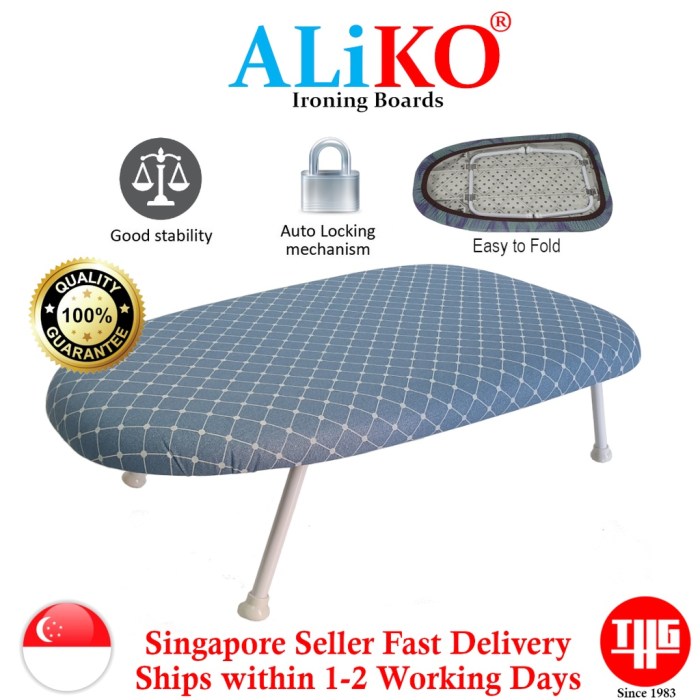
The burgeoning Japanese ironing board aesthetic, with its emphasis on meticulous craftsmanship and minimalist design, invites comparison with other related styles. Understanding its unique characteristics requires examining its relationship to, and divergence from, existing trends in design. This comparison reveals a subtle yet significant departure, reflecting a focus on functionality and visual appeal intertwined with a deeper cultural appreciation.This examination delves into the key distinctions and overlaps between the Japanese ironing board aesthetic and other related styles.
The analysis highlights how this new aesthetic builds upon existing principles while simultaneously innovating in its unique approach to design.
Key Characteristics of Related Aesthetics
This section Artikels the defining characteristics of related aesthetics, providing a crucial baseline for understanding the Japanese ironing board aesthetic’s distinctive traits. These aesthetics include, but are not limited to, Japanese minimalism, contemporary Scandinavian design, and modern industrial design. These styles often share common threads of simplicity, functionality, and a focus on high-quality materials.
- Japanese Minimalism: This style prioritizes simplicity and functionality, often using natural materials and emphasizing a sense of calm. It often features clean lines, neutral color palettes, and a strong emphasis on the natural beauty of materials.
- Contemporary Scandinavian Design: Characterized by its focus on functionality, comfort, and natural materials, this aesthetic frequently incorporates light and airy elements, with a strong emphasis on sustainability and environmental consciousness. Warm colors and natural textures are common.
- Modern Industrial Design: This aesthetic celebrates raw materials and mechanical elements, often incorporating exposed structures and a bold, unadorned aesthetic. It frequently features geometric shapes and strong contrasts in color and texture.
Comparative Analysis
A comprehensive comparison necessitates a structured approach to highlighting the similarities and differences between the Japanese ironing board aesthetic and its related counterparts.
| Aesthetic | Key Characteristics | Similarities to Japanese Ironing Board Aesthetic | Differences from Japanese Ironing Board Aesthetic |
|---|---|---|---|
| Japanese Minimalism | Simplicity, natural materials, calm atmosphere | Shares focus on simplicity and functionality, often uses natural materials. | The Japanese ironing board aesthetic focuses more specifically on the process of ironing, including a unique functional design, whereas Japanese minimalism is a broader design philosophy. |
| Contemporary Scandinavian Design | Functionality, comfort, natural materials, sustainability | Both emphasize functionality and natural materials. The Japanese ironing board aesthetic is less explicitly focused on sustainability. | The Japanese ironing board aesthetic has a more unique aesthetic focused on the specific function of ironing. Scandinavian design often emphasizes comfort and ease of use, which is a slightly different focus. |
| Modern Industrial Design | Raw materials, mechanical elements, geometric shapes | May share an appreciation for the beauty of the materials used, but the function of ironing is the primary focus. | The Japanese ironing board aesthetic prioritizes the specific process of ironing, creating a unique visual experience in its design, unlike modern industrial design, which often prioritizes a different aesthetic. |
Unique Aspects of the Japanese Ironing Board Aesthetic
The Japanese ironing board aesthetic stands out due to its unique integration of meticulous craftsmanship with the specific function of ironing. It differentiates itself from other aesthetics by focusing on the visual appeal of the ironing process itself. The aesthetic’s unique character emerges from its fusion of traditional Japanese design principles with contemporary functionality.
Closing Notes
The Japanese ironing board aesthetic, with its emphasis on simplicity, craftsmanship, and cultural nuance, offers a compelling example of design that resonates beyond its function. Its enduring appeal lies in its ability to seamlessly blend practicality with aesthetic beauty, providing a framework for modern interpretations and inspiring a deeper appreciation for the power of design.
